
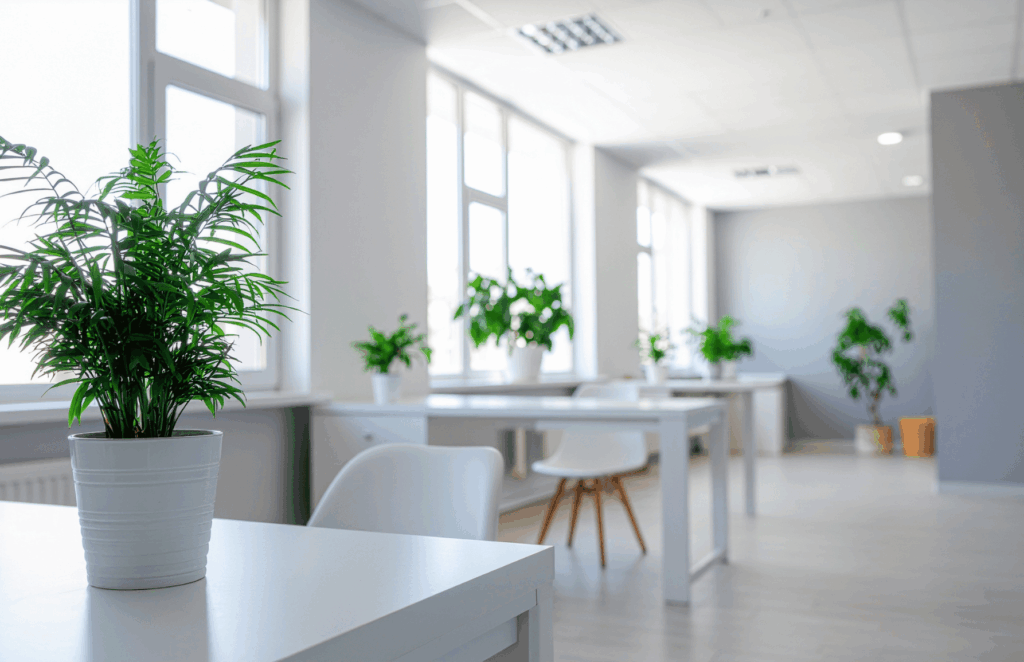
A clean and organized workplace plays an integral role in fostering productivity and maintaining the health and well-being of employees. With the majority of people spending a significant portion of their day in an office environment, ensuring that the workplace remains free of dust, germs, and clutter is essential. Below are some of the best office cleaning practices to create a healthier and more enjoyable work environment.
1. Develop a Cleaning Schedule
One of the most effective ways to maintain cleanliness in the workplace is by implementing a regular cleaning schedule. Establishing daily, weekly, and monthly cleaning tasks can ensure that every corner of the office receives the attention it needs. Daily tasks might include emptying trash bins and sanitizing high-touch surfaces, while less frequent tasks might involve deep-cleaning carpets or wiping down baseboards. A clearly defined schedule keeps cleaning consistent and reduces the buildup of dirt and allergens.
2. Focus on High-Touch Surfaces
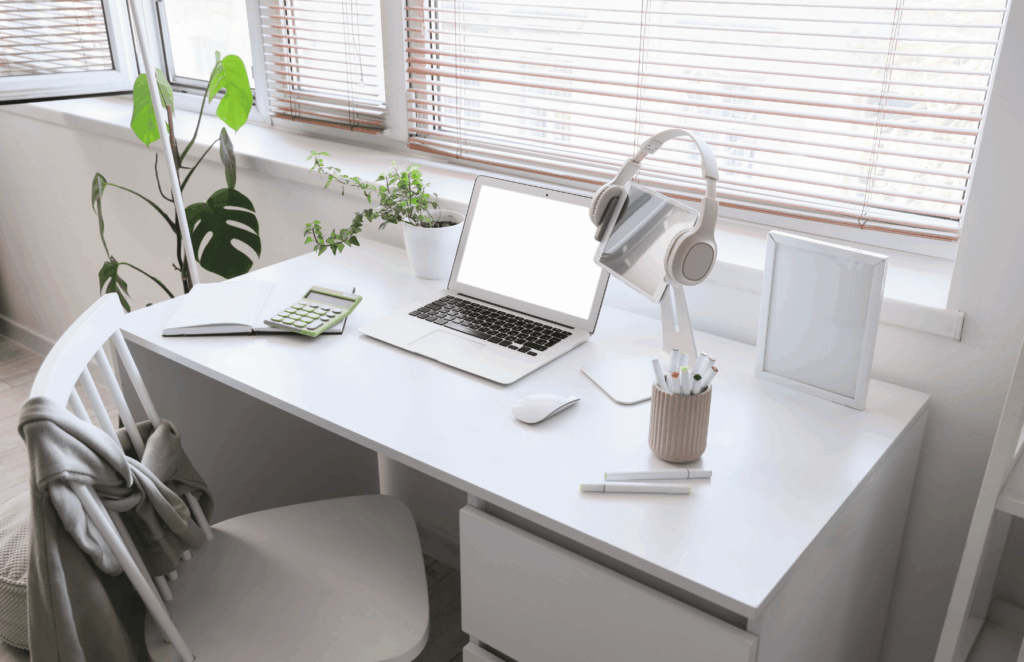
High-touch surfaces are breeding grounds for germs and bacteria, especially in communal office spaces. Items such as door handles, light switches, keyboards, phones, and elevator buttons can easily become contaminated. Regularly disinfecting these surfaces using EPA-approved disinfectants is a vital practice in minimizing the spread of illnesses within the office. Providing employees with access to disinfectant wipes or sprays can also encourage them to maintain cleanliness in their individual workstations.
3. Encourage Desk Organization
Cluttered desks not only hinder productivity but can also accumulate dust and grime over time. Encourage employees to keep their workspaces tidy by removing unnecessary items and regularly cleaning their desks. Providing storage solutions, such as drawers or filing cabinets, can help maintain organization. Additionally, employees should be reminded to frequently wipe down their desks with a suitable cleaning solution to ensure surfaces are free from dust and germs.
4. Maintain Clean Carpets and Floors
Office floors, particularly carpets, can trap dirt, allergens, and debris, which may lead to poor indoor air quality over time. Vacuuming carpets regularly is a must, along with periodic deep cleaning to remove stubborn stains and embedded particles. For offices with hard floors, using the right cleaning agents and techniques to mop and polish them will help maintain their appearance and hygiene. Placing mats near entranceways is another effective strategy to reduce the amount of dirt brought into the office from outside.
5. Pay Attention to Restrooms
Restrooms are one of the most critical areas to clean in any office. They require frequent and thorough sanitization to prevent the spread of germs and maintain a hygienic environment. Stocking restrooms with adequate supplies, such as soap, paper towels, and hand sanitizers, is equally important. Employing a professional cleaning service for deep-cleaning purposes can further ensure restrooms meet high standards of cleanliness.
6. Proper Waste Management
Managing office waste effectively is fundamental to maintaining a clean workplace. Trash bins, especially those in common areas such as break rooms and restrooms, should be emptied regularly to prevent unpleasant odors and the attraction of pests. Recycling bins should also be made accessible to encourage employees to dispose of waste responsibly. Clear labeling of waste and recycling bins can make segregation more straightforward and reduce the likelihood of contamination.
7. Promote Indoor Air Quality
Good indoor air quality is a crucial component of a healthy workplace. Poor air circulation can lead to the accumulation of dust, allergens, and airborne germs, which may cause respiratory issues for employees. To enhance air quality, ensure that the office has efficient HVAC systems and air filtration units. Regular maintenance of air conditioners and vents is essential to prevent the spread of dust particles. Adding indoor plants can also improve air quality while creating a more inviting workspace.
8. Stock Cleaning Supplies
Having an adequate supply of cleaning tools and products readily available is essential for maintaining office cleanliness. Stock items such as disinfectant sprays, microfiber cloths, trash bags, and gloves for employees and office cleaners. Encourage employees to take ownership of their personal workspaces by providing them with their own cleaning supplies as needed. This collaborative approach ensures everyone contributes to a clean environment.
9. Break Room Hygiene
Break rooms are high-traffic areas where employees prepare snacks, eat meals, and socialize during breaks. Keeping these spaces clean requires consistent effort from everyone. Encourage employees to clean up after themselves by disposing of trash, washing used dishes, and wiping down surfaces. Implementing policies for shared equipment, such as refrigerators or microwaves, can further ensure hygiene. Deep cleaning break rooms periodically will also help eliminate any lingering odors or contaminants.
10. Use Professional Cleaning Services
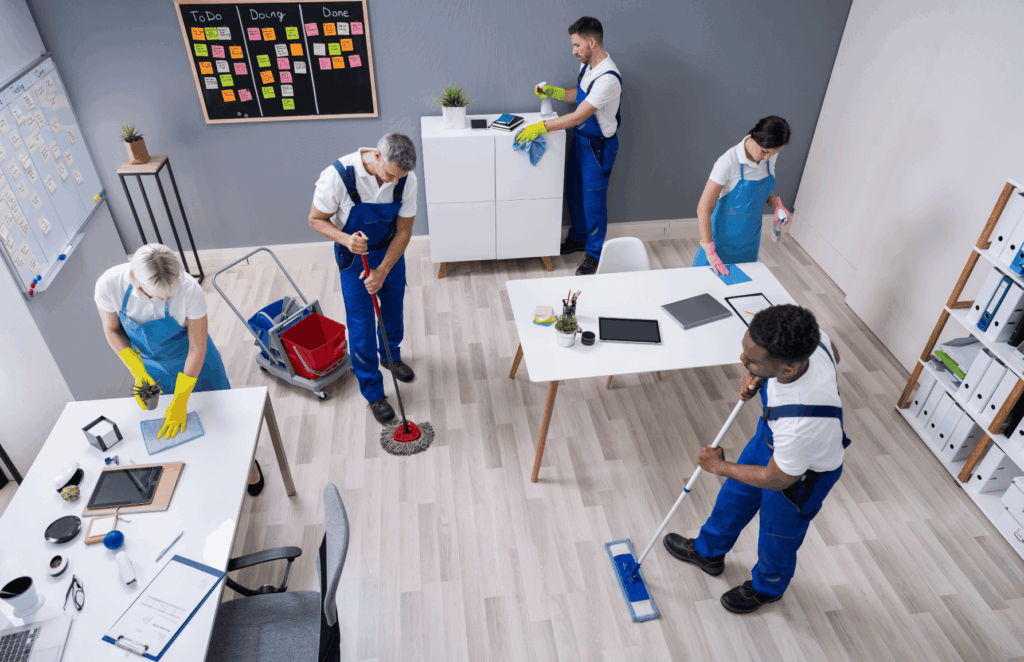
While daily cleaning tasks can be managed internally, utilizing professional cleaning services for more intensive tasks can help maintain a pristine office environment. Professional cleaners have specialized equipment and expertise to perform tasks such as carpet deep cleaning, window washing, and thorough restroom sanitization. Hiring professionals ensures that cleaning is done efficiently and to a high standard, leaving the employees to focus on their responsibilities.
11. Educate Employees on Cleanliness
Promoting a culture of cleanliness and hygiene in the workplace requires active participation from all employees. Organize training sessions or post reminders about cleaning protocols, personal hygiene, and proper waste disposal. By encouraging teamwork and accountability, employees can collectively contribute to maintaining a clean and healthy workplace.
12. Be Sustainable
When implementing cleaning practices, consider adopting environmentally friendly approaches. Opt for eco-friendly cleaning products that are free of harsh chemicals and reduce the environmental impact. Encourage recycling and minimize the use of disposable cleaning materials. Sustainable cleaning goes beyond maintaining a healthy workplace—it also reflects a commitment to protecting the environment.
A clean office is more than just an aesthetically pleasing space; it directly impacts the health, morale, and productivity of employees. By following these best office cleaning practices, you can create a healthier, more efficient workplace where employees feel valued and supported. Whether it involves simplifying cleaning tasks, providing proper resources, or seeking professional help, prioritizing office hygiene improves not only the physical environment but also the overall workplace culture. Get a free quote from Modern Shine today!